
In 1981, Professor Dorothy A. Miller published an article titled “The Sandwich Generation: Adult Children of the Aging.” Her prescient insights 4+ decades later describe intergenerational dynamics faced by many families to this day. Let’s explore five broad questions related to the “sandwich generation” term popularized by Professor Miller:
- What is it?
- How did it happen?
- Why does it matter?
- How large is its impact?
- How can you prepare?
What does sandwich generation describe?
Sandwich generation describes middle-aged adult(s) providing financial, emotional and/or caregiving support to both their elderly parent(s) and children simultaneously.
How more adults are stuck in between
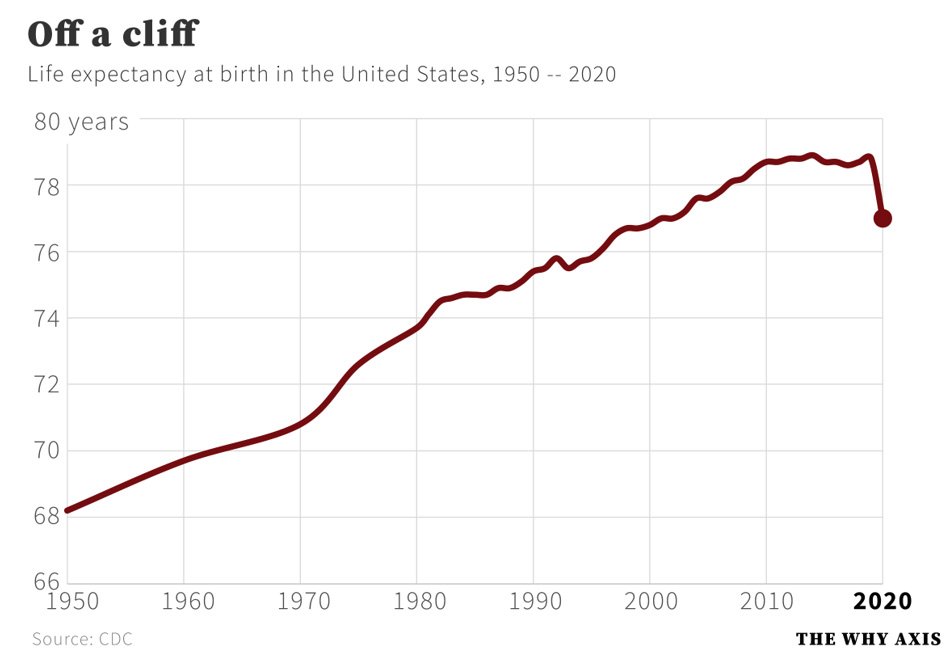
Two factors contributing to this dual burden are:
- Life expectancy in America has steadily increased.
- Women, on average, are having children 6 years later in life.
Life expectancy grew from 68 in 1950 and peaked at 79.7 years in 2017. Opioid deaths and covid interrupted the upward trend, shaving a couple of years in recent years.
Comparing 1970 to 2024, the median age of women at their first marriage increased from 20.5 to 28.4. The average age of having their first child increased from 21.4 to 27.5.
| 1970 | 2024 | |
|---|---|---|
| Median Age at First Marriage | 20.5 | 28.4 |
| Average Age as a First-Time Mother | 21.4 | 27.5 |
If we hold the 1st-time mother average age consistent across generations, we get this projection:
| Average mom with 18-year-old | 1970 | 2024 |
|---|---|---|
| Mother’s Age | 39 | 45 |
| Grandparent’s Age | 60 | 73 |
The average mother in 1970 with an 18-year-old firstborn would have been 39 years old with a 60-year-old mother.
In 2024, that same average mother would be 45 years old with a 73-year-old grandparent.
Rising health cost, diminished college aid and flat income
The 18-year-old from the 1970s has a mother approaching her peak earning years and a still-working grandmother afflicted by fewer age-related disease such as Alzheimer dementia.
| Peak Earning Years | 45-54 |
| Social Security Retirement Age | 65 |
| 5% rate of Alzheimer’s Dementia | 65-74 |
| 13% rate of Alzheimer’s Dementia | 75-84 |
| 33% rate of Alzheimer’s Dementia | 85+ |
By comparison, the 18-year-old in the 2020s has a mother just beginning her peak earning years and a retired grandparent with increasing age-related health issues.
Familial caregiving burdens fall more heavily on women for both young children as well as senior parents. The middle-aged mother in the 2020s may have already experienced balancing her career with family obligations at the start of her career. She is again faced with a similar disruptive challenge during her peak earning years.
College tuition is a significant expense for young adults while healthcare is a material expense for senior citizens. The rate of growth in both college tuition and healthcare have far exceeded overall income growth:
| Nominal $ | 1970 | 2024 | Multiple | Nominal Growth % |
|---|---|---|---|---|
| Healthcare | $353 | $14,750 | 41.8x | 7.3% |
| Tuition | $948 | $17,709 | 18.7x | 5.7% |
| Median HH Income | $8,330 | $74,202 | 8.9x | 4.2% |
| Fed. Min. Wage | $1.60 | $7.25 | 4.5x | 2.8% |
| Median House | $26,300 | $492,000 | 18.7x | 5.7% |
| New Car | $3,543 | $49,000 | 13.8x | 5.1% |
If we express the same table, but adjusting for inflation in 2024 dollars, we get:
| Constant 2024 $ | 1970 | 2024 | Multiple | Growth Above Inflation |
|---|---|---|---|---|
| Healthcare | $2,151 | $14,750 | 6.8x | 3.7% |
| Tuition | $5,777 | $17,709 | 3.1x | 2.1% |
| Median HH Income | $69,253 | $74,202 | 1.1x | 0.2% |
| Fed. Min. Wage | $13.05 | $7.25 | 0.6x | -1.1% |
| Median House | $205,374 | $492,300 | 2.4x | 1.7% |
| New Car | $28,864 | $49,000 | 1.7x | 1.1% |
How large is the impact?
In other words, every year since 1970, income growth has trailed healthcare and tuition costs by 3.5% and 1.9%, respectively, per annum, for the median family. The median American family is falling behind. It is even worse for low wage earners where inflation has far outpaced the minimum wage.
It is important to note that the data in the above tables quantify “purchasing power” over time. The exact components or quality of the items are not easily reflected. For example, a new car in 2024 might include “options” such as air conditioning, 4-wheel drive or leather interior not included in the 1970 car. Nevertheless, the abstraction is useful in depicting that a greater percentage of income is spent on healthcare, tuition, and housing compared to a half-century prior.
To quote blues artist Johnny Guitar Watson:
I can’t get ahead
no matter how I try
everything is out of pocket
A brother’s situation is…abstract…

The squeeze on the sandwich generation is material, and it is worsening. Demographic changes and economic trends increase both the likelihood and the magnitude of supporting adult children and senior parents.
How can you prepare for the inexorable double-edged sword?
Failure to anticipate high probability events such as college tuition and senior sickness leave middle-aged adults financially overwhelmed and emotionally distraught.
College saving accounts, such as a 529 plan, provide both compound returns and tax deferment to help fund higher education costs. Medical proxies empower individuals to gather or make healthcare decisions for incapacitated or addled seniors. Asset transfer offers Medicaid shields or better expense management for growing age-related healthcare costs. Writing a will avoids intestate issues or heir disputes at death.
So, take advantage of various resources and professionals to educate yourself about the tools, tactics, and professionals that can navigate you to safe shores for the inevitable challenges of being the sandwich generation between children, grandparents and even possibly great-grandparents.