
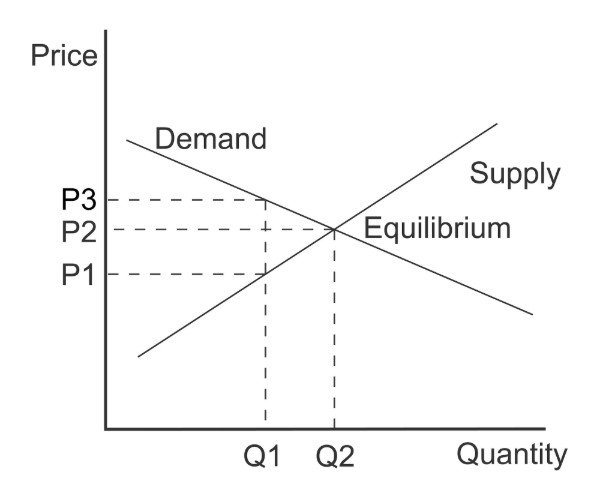
The classic supply-demand curve showing the equilibrium point of price and quantity intersecting is a typical image introducing economics.
Economics examines how limited resources are used to fulfill (nearly) unlimited wants or needs. The decisions made by individuals, households, and firms as consumers or suppliers in marketplaces are in the realm of microeconomics. Macroeconomics considers how interactions on the national level involving labor, capital, investments, savings, and public policy impact the global market.
At its core, economics is about decision making. It is our opinion that decisions, on average, improve with better information and more time spent considering.
This site is about highlighting inexorable events sooner, rather than later. Then, we aim to provide the framing of such an event within the context of the broader economy. Families so apprised are granted additional time to make decisions with better information that serves their interests and maximizes resource usage. As an example, a twenty-something couple who may have skipped going to college could benefit from learning about a 529 plan for their newborn.
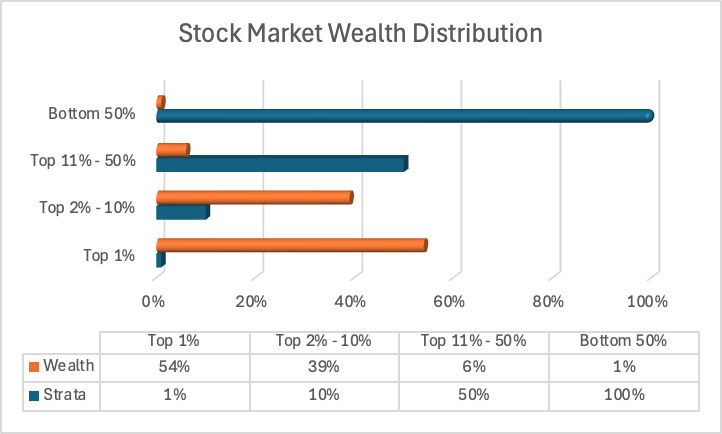
These articles – individually and collectively – discuss the need to invest, how to quickly project potential investment returns, while also exposing how federal policy in the United States disproportionately benefits the 1% via stagnant minimum wages and propping up equities during times of duress:
The message is not contradictory. Rather, this is an instance where two things can be true simultaneously. For example, the system could have an unfair tilt, but so long as it is the system, there are things that can be done to improve your results within it.